
Ever feel like your stomach has a mind of its own? Maybe it's the afternoon bloating that makes jeans unbearable, or the frustrating pattern of constipation followed by urgency. Or maybe you just have that gut feeling (no pun intended) that something’s off, even if your doctor says everything looks “normal.”
You’re not alone and you’re not imagining it. I work with clients every day who have normalized gut symptoms for years. The good news? Your gut is resilient. With curiosity, consistency, and patience, you can feel better in your body again.
Here are eight approachable, science-backed ways to support gut health starting with small shifts that truly add up.
1. Feed Your Gut Bacteria the Right Kind of Fiber
Your gut is home to trillions of microbes that function like a living ecosystem. To thrive, they need food — specifically prebiotic fiber.
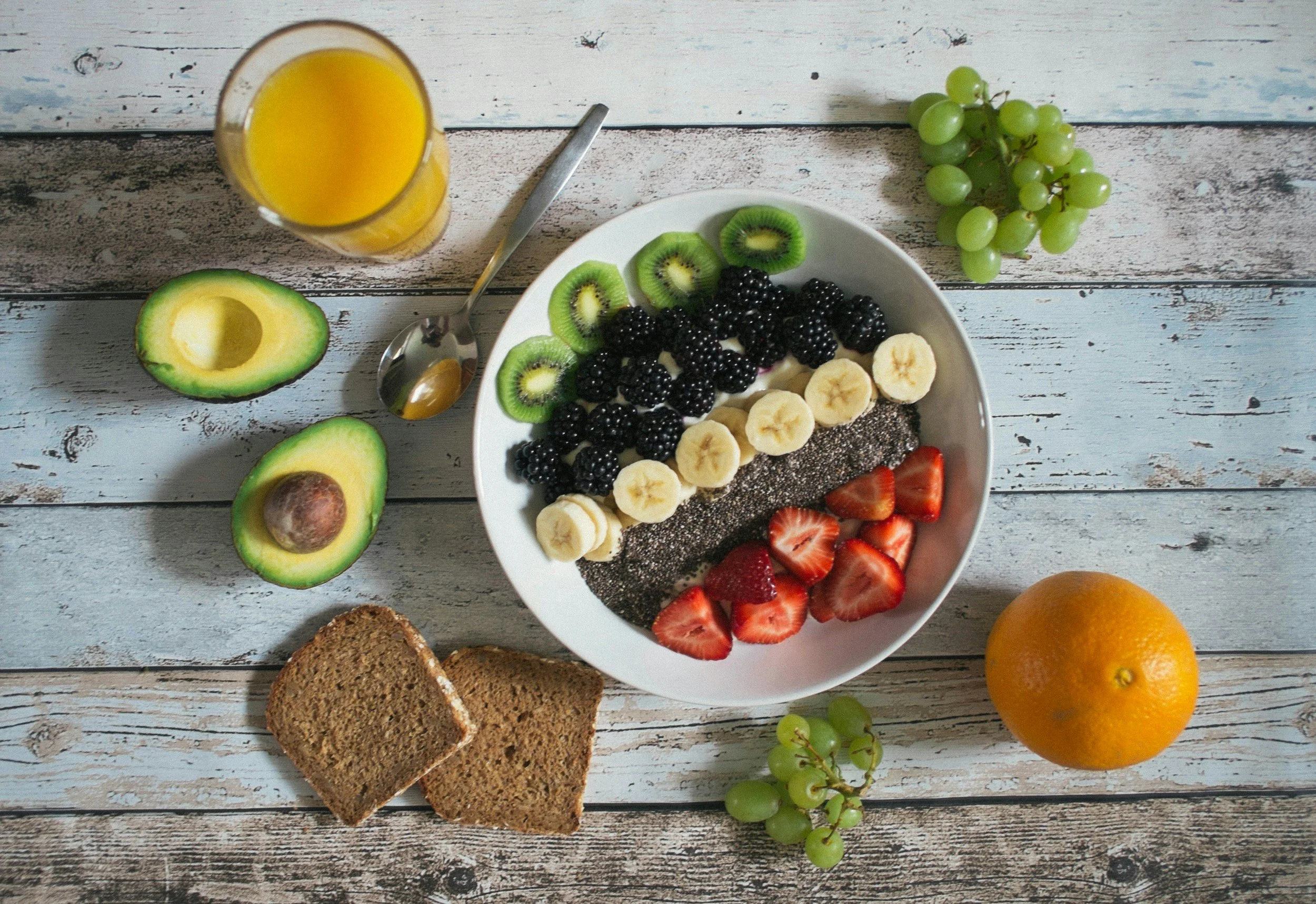
Foods like garlic, onions, leeks, bananas, asparagus, oats, lentils, berries, leafy greens, and cooked sweet potatoes help feed beneficial bacteria. When fermented, these fibers produce short-chain fatty acids (like butyrate) that reduce inflammation and strengthen the gut lining.
Try this: Add 1–2 new plant foods each week. Variety = a diverse and happy microbiome.
2. Chew Like You Mean It
Digestion begins in your mouth. When meals are rushed or barely chewed, your stomach and intestines are forced to work harder — often leading to bloating or discomfort.
Try this: Put your fork down between bites. Aim for 20–30 chews per bite and give your body time to register fullness.
3. Balance Your Plate (and Your Blood Sugar)
Blood sugar swings affect gut motility, hormones, and microbial balance. Meals heavy in refined carbs and low in protein or fat often worsen digestive symptoms.
Start here: Build meals around protein, healthy fats, and fiber-rich carbohydrates. For example: eggs with avocado and sautéed greens instead of toast alone.
4. Hydrate mindfully
Hydration supports digestion, but chugging water during meals can dilute stomach acid.
Try this: Sip fluids throughout the day and go lighter during meals. If constipation is present, hydration is often a key missing piece.
5. Tend to Your Stress
Your gut and nervous system are deeply connected. Chronic stress slows digestion, lowers stomach acid, and can trigger IBS-type symptoms.
Start small: A few deep breaths before meals, a short walk outside, or screen-free lunches can make a noticeable difference.
6. Reduce Gut Disruptors
Antibiotics, ultra-processed foods, artificial sweeteners, and excessive alcohol can disrupt the microbiome.
Think swaps, not restriction: Sparkling water instead of soda, whole-food snacks instead of ultra-processed ones. Small changes compound.
7. Move Your Body Daily
Movement stimulates gut motility, lowers inflammation, and supports stress regulation.
Try this: Aim to move your body daily for 30 minutes with an activity you enjoy (i.e. walking, dancing, yoga, pickleball)
8. Diversity Beats Perfection
Research shows that microbiome diversity — not dietary perfection — is linked to better health.
Fun challenge: Aim for 30 different plant foods per week. Herbs, seeds, fruits, veggies, legumes, and whole grains all count.
Gut Healing Isn’t Linear or One-Size Fits All
If digestion has felt “off” for a long time, healing takes time. You don’t need to change everything at once. One supportive habit at a time is both powerful and sustainable.
If you’re unsure where to start, or you feel like you already have a healthy foundations and are still stuck, I work 1:1 with clients to uncover root causes, personalize gut support, and rebuild trust with their bodies (without restriction or overwhelm).
You’re allowed to feel good in your gut and healing is absolutely possible!